Hot tub heat pumps: running costs, savings and installation in the UK
Can a heat pump reduce hot tub running costs? Compare heating-cost examples, equipment prices and package savings, compatibility, installation and the questions to ask before buying.
By Whitcombe Living · About our buying guides · Updated
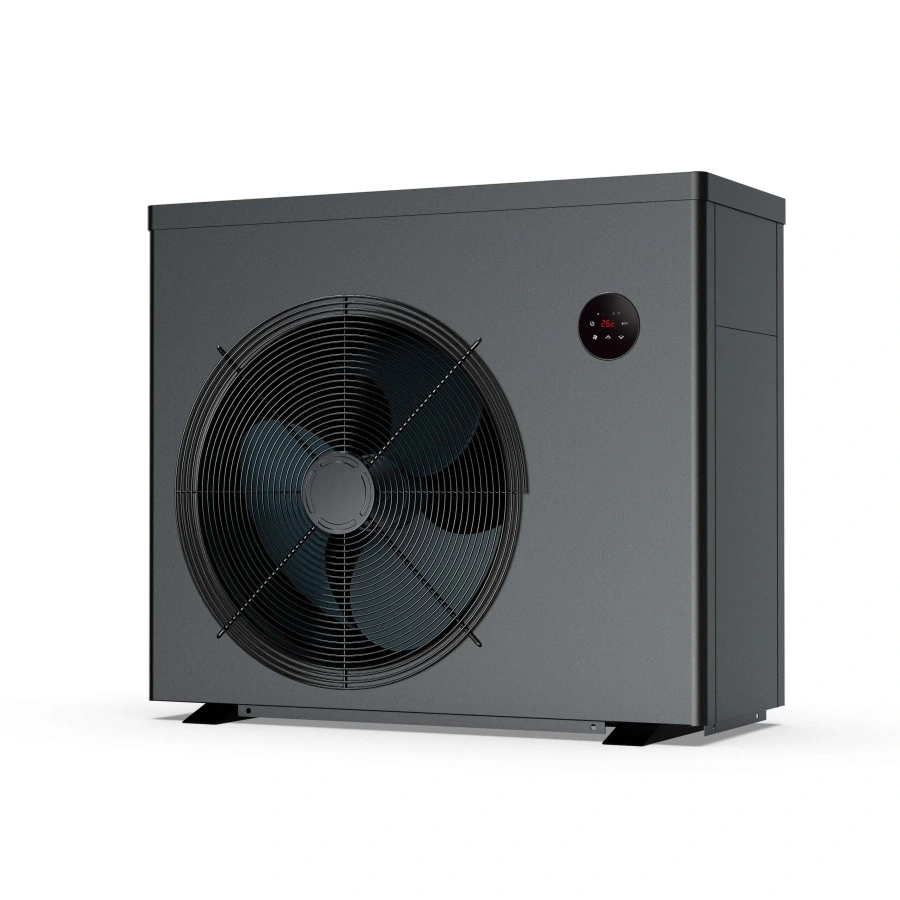
A hot tub should feel like a pleasure to use, with a clear plan for what it costs to own. An air source heat pump can reduce the electricity needed for water heating when it is correctly selected and installed. Start with your tub, how you use it and the complete fitted price, then compare the savings using realistic assumptions.
At a glance
A correctly selected heat pump can reduce the electricity needed to heat your hot-tub water. Compare the heating requirement, your tariff and a realistic average COP, then add the equipment, standard kit and optional fitting to the purchase budget. The complete spa bill also includes circulation, jets and other equipment.
Illustrative water-heating comparison
Compare your water-heating costs.
Change the example inputs to explore the same useful heat supplied by two heating methods. COP 3 means three units of heat delivered for each unit of electricity used. The defaults are assumptions, rather than measured consumption, current national tariffs or a performance prediction for a particular pump.
| Example heating method | Electricity | Cost |
|---|---|---|
| Resistance heater · COP 1 | 300.0 kWh | £75.00 |
| Heat pump · assumed COP 3 | 100.0 kWh | £25.00 |
Illustrative heating-cost difference: £50.00 over 30 days.
At the assumed COP of 3, that is 66.7% less electricity for the same useful heat. This percentage applies to the heating calculation.
Calculation: 10kWh of heat × 30 days ÷ COP 3 × 25p/kWh = £25.00 for the heat-pump scenario.
The comparison covers an assumed equal amount of useful heat. The whole spa also uses electricity for jets, circulation, filtration, controls and lights. Account separately for extra circulation, defrost or backup energy outside the assumed system COP, standing charges, purchase and fitting. Use data relevant to hot-tub water temperatures and your intended season when assessing a real installation.
How does a hot tub heat pump work?
An air source heat pump transfers heat from outdoor air into water circulating through the unit. It uses electricity to operate its compressor and fan. A conventional electric resistance heater turns electricity directly into heat; a heat pump can deliver more heat than the electrical energy it uses by moving heat from the air.
Aquark AquaIntel and Mr Silence units use inverter operation to adjust output to heating demand. That can help maintain temperature without running continuously at maximum output. Noise, efficiency and warm-up time depend on the selected model and operating conditions. The external unit needs outdoor airflow: it should not be hidden inside the spa cabinet or an unventilated enclosure.
Will a heat pump reduce my hot tub running costs?
It can reduce the water-heating part of the electricity bill, but the whole bill also includes circulation, filtration, jets, controls and other equipment. A quoted heating saving is not automatically the same percentage saving on your complete hot tub running costs.
Coefficient of performance, or COP, compares heat delivered with electricity used under stated conditions. A COP of 3 means 3kWh of heat for 1kWh of electricity. This is an explanation, not a prediction for a particular pump. Manufacturer pool-test results at water temperatures around 26–27°C should not be treated as year-round performance at a hot tub temperature of 38–40°C.
For an illustrative 10kWh of heat at 25p/kWh, resistance heating costs £2.50. A heat pump averaging an assumed COP of 3 would use about 3.33kWh and cost about £0.83 for that same heat. The roughly £1.67 difference excludes the rest of the spa electricity use and is not a measured daily saving. Use your tariff and a suitably evidenced efficiency assumption in the calculator above.
What affects savings in UK weather?
Outdoor temperature, target water temperature, wind exposure, cover condition, insulation and how often you open the cover all affect demand and performance. Lower air temperatures generally make heat extraction harder; defrost cycles and any backup electric heating also change the result.
Use a well-fitting insulated cover when the spa is not in use and follow the exact winter and frost-protection instructions. A published minimum operating air temperature is an operating limit, not a promise that the unit will meet your full heating requirement at that temperature. Ask for performance data at the conditions relevant to your garden and bathing season.
Which heat pump can go with my hot tub?
The OR2507, OR2612, OR2723, OR2815, OR5723, OR5907, OR5915, OR7523 and OR7915 range can use an Aquark accessory route with a suitable bypass arrangement. That establishes an installation route, rather than a universal one-to-one pump recommendation. We check water flow, water volume, the current control pack, the pipe layout and your intended season before selecting capacity.
An SW50 is a 5kW-class option and SW70 a 7kW-class option; those nominal classes are not electrical consumption figures or guaranteed winter outputs. A more expensive pump does not automatically give a larger saving: capacity, efficiency at the actual conditions, circulation and installation matter. Premium models may add quieter operation or controls. Choosing solely by seats, jets or the name on the control panel can miss important details. Ares and Neptune swim spas need an independent heating assessment and are outside this OR equipment offer.
Compare equipment prices with the complete installed cost
Our current separate equipment prices start at £1,199 for AquaIntel SW50 and £1,499 for SW70. These are Whitcombe prices, not claimed manufacturer RRPs. Selected new OR tub packages save up to 50% on the pump against the current separate equipment price. The saving depends on the selected tub and pump and is displayed on its product page. This reduces the equipment purchase price; it does not establish a percentage reduction in energy use.
Online OR tub-and-pump packages itemise a £75 contribution for one standard bypass kit and one pipe kit with 6m of rigid pipe and eight elbows. Whitcombe covers the other half of the £150 standard materials allocation. Fitting, electrical work, bases, pipe insulation and any additional site-specific materials are separately agreed. Compare the tub, the pump, materials, fitting, electrical work and delivery terms together. The cheapest or most expensive pump is not automatically the right choice. Choose from the equipment combinations specifically identified for your spa rather than assuming every pump has been approved for every tub.
What does heat pump installation include?
An experienced spa technician plans the bypass, isolating valves and pipe connections, then checks circulation flow, access for servicing and the safe operating arrangement. Some low-profile OR cabinets may need an external bypass. The unit needs a suitable base, manufacturer-required airflow clearances and condensate drainage.
The electrical arrangement must be approved by a qualified electrician. A tub described as 13A or 32A does not establish spare capacity for a separate heat pump. Ask the quotation to distinguish equipment, fittings, pipework, labour, travel and electrical work, along with commissioning and handover. Arrange your own experienced spa technician, or ask Whitcombe to arrange professional heat-pump fitting, quoted separately for your postcode and agreed scope before booking. The existing standard tub delivery and positioning service does not include heat-pump installation.
Warranty, maintenance and the decision to buy
Ask for the current written warranty for the exact pump, including parts, labour, call-outs, exclusions and registration deadlines. Heat-pump warranty is separate from the tub warranty. Holiday-let and commercial projects need both products checked for that use; domestic cover should not be assumed to apply.
Compare the complete installed upgrade cost with an annual heating saving based on credible data for your conditions. Simple payback is the installed upgrade cost divided by that annual saving, with maintenance and any changes in circulation or backup heating considered too. We do not promise a fixed payback or an annual saving from pool marketing figures.
Choose your tub, check delivery and share the installation postcode and intended bathing season. Choose an Aquark equipment package on the relevant OR product page, add it to your basket and buy through the normal checkout. No equipment quotation is required for an eligible in-stock standard package. Combinations requiring a complete delivered package quotation are clearly identified on the product page. Arrange experienced professional fitting before use. Specialist access, swim-spa projects and non-standard installations retain their existing assessment route.
Helpful answers before you choose
Is the pump discount the same as an energy saving?
The package discount reduces the pump purchase price against Whitcombe’s current separate equipment price. The electricity saving depends on the installation and operating efficiency. Compare the two separately when planning your upgrade.
What does COP mean for hot-tub heating?
COP is useful heat delivered divided by electricity used at stated conditions. At an assumed average COP of 3, 3kWh of useful heat needs 1kWh of electricity. Use performance relevant to spa-water temperatures and the intended season when assessing a real installation.
Can I choose my own heat-pump installer?
Yes. Use an experienced spa technician and confirm the current manufacturer instructions and any approval requirements before work starts. Whitcombe can also quote optional professional fitting for the postcode and agreed scope.
Does the heat pump have the same warranty as the tub?
The heat pump and spa have separate written warranties. Whitcombe confirms the terms and registration requirements for the exact supplied equipment before order and helps with product support.
Sources and product checks
Product specifications, the supplier-confirmed OR bypass route and Whitcombe’s current package data were checked for this guide on 14 November 2026. Supplied-unit instructions and the agreed site assessment govern installation. Energy Saving Trust is referenced for general heat-pump principles; its home-heating figures are not performance measurements for these spa products.
Plan your heating upgrade
More time to soak. A clearer plan for costs.
Explore running costs, compare the pumps and plan the installation.
Use your tariff and explore different efficiency assumptions.
See all nine OR models and their current package options.
Compare the five pumps, output points, controls and layout.
Understand the bypass kit, pipework and optional fitting.
Choose around colder weather and your bathing routine.
Compare the 57-jet tub with all five heat-pump offers.
Continue exploring